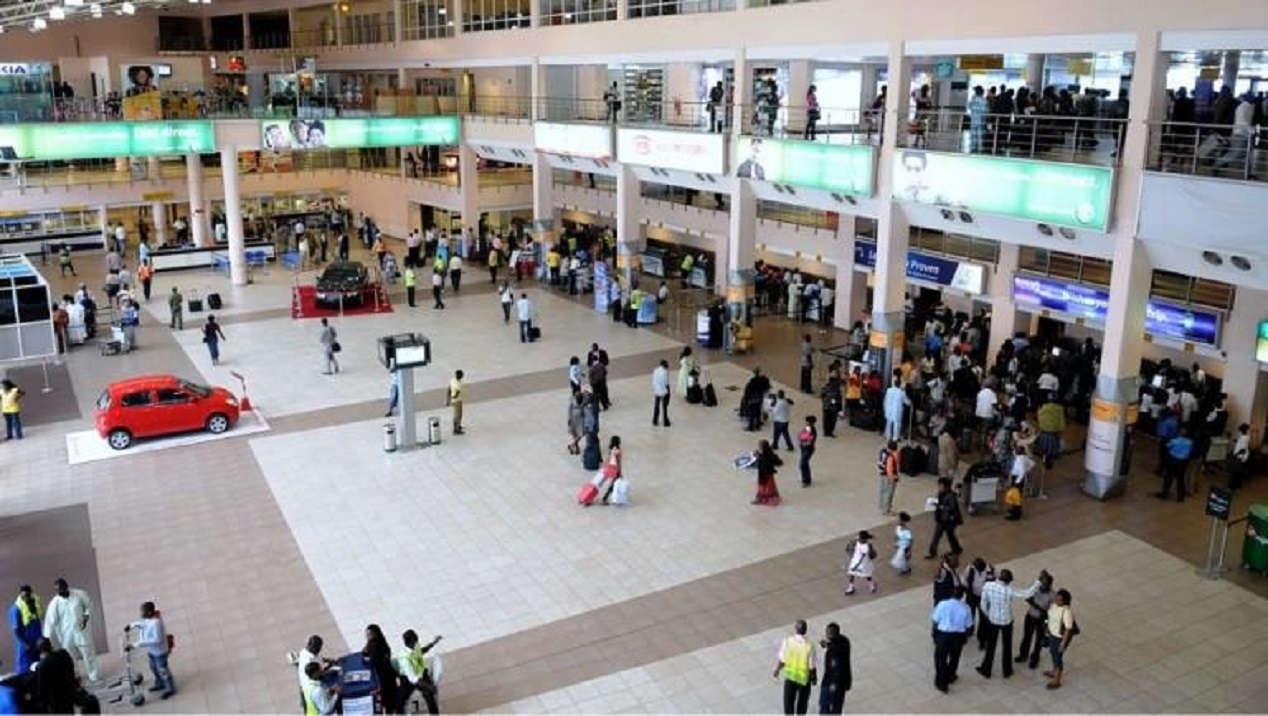
Bi- Courtney Aviation Services Limited (BASL),operators of the Murtala Muhammed Airport Terminal Two (MMA2), Lagos has unveiled plans to establish an airport collaboration and decision-making platform to curb the high rate of flight delays and cancellations among the domestic airlines.
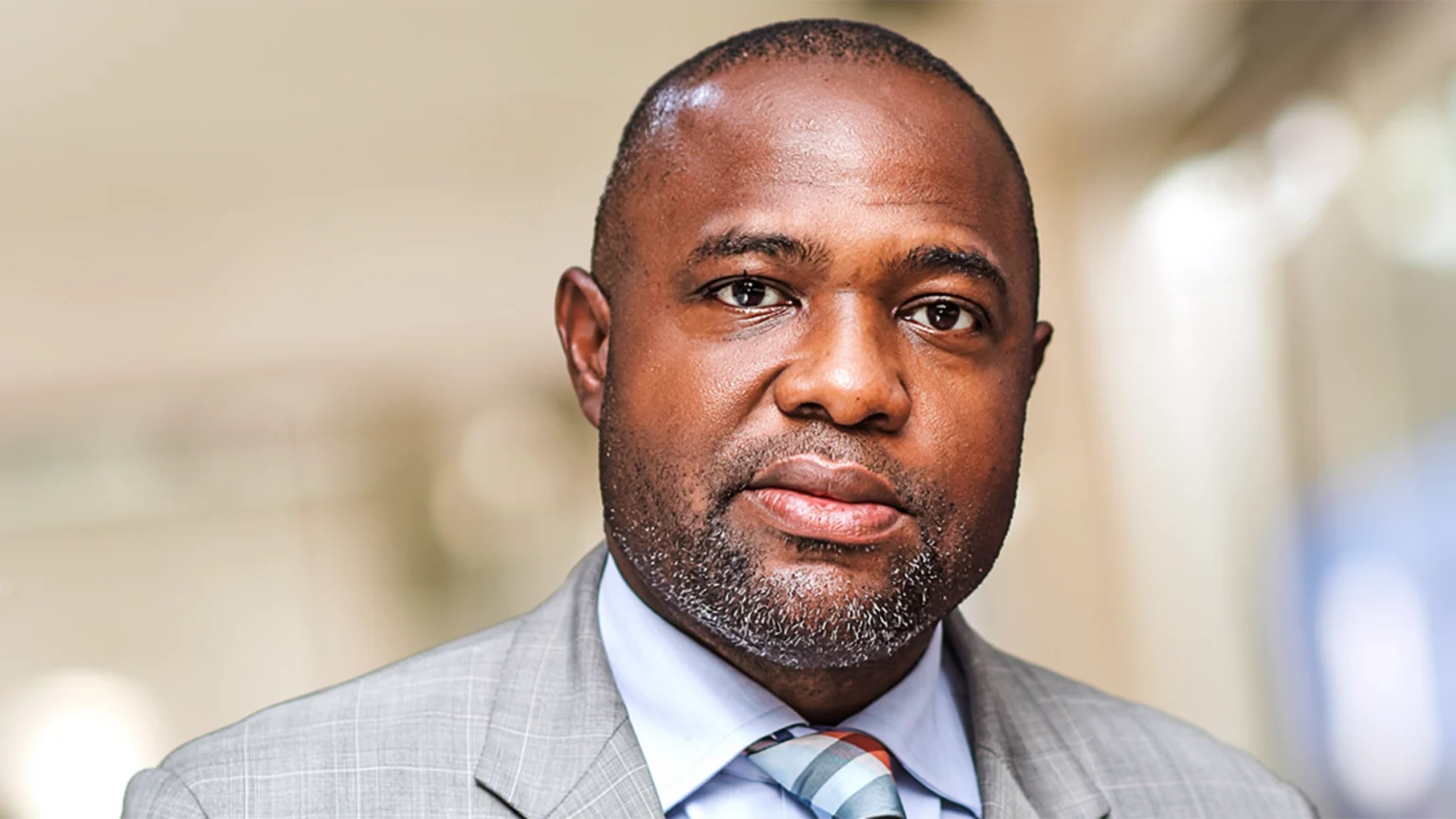
Speaking yesterday at the 22nd edition of the Akwaaba African Travel Market, held in Lagos, the Chief Operating Officer (COO), BASL, Remi Jibodu, said that the platform would involve airlines, air traffic controllers, ground handling companies and other necessary organisations.
According to him, the platform would enable key aviation stakeholders to share operational information in real time, anticipate disruptions and take joint decisions before delays degenerate into prolonged passenger inconvenience or flight cancellations.
Jibodu was spoke as a member of a panel, said that the initiative had become necessary because flight delays and cancellations were seldomly caused by a single stakeholder
He explained that airlines, airports, air traffic control, ground handlers, security agencies and passengers all contribute to the smooth operation of flights, making collaboration critical to improving the passenger experience.
He explained that the airport could provide the infrastructure and facilities required for flight operations, but could not determine the performance of an airline in isolation.
He noted that airlines should be regarded as an important stakeholder, rather than just tenants at airports, stressing that airports could not achieve their objectives without effective cooperation with carriersHe explained that even where an airline had prepared its aircraft and crew for departure, congestion on the ramp, taxiway or runway could result in aircraft being held back.
He said: “The truth about it is that so many things contribute to delay and cancellation. And usually, not the airports, not the airlines alone, but there are so many other things that contribute to delay. And I will give you one example.
“Number one, for us, at airports, our major thrust is the passenger experience. And one of those things I talked about today, when I talked about it in the webinar, it is not about the English or trying to just make it look nice, but in the works of it, if the passenger is leaving the house, because it starts from where you purchase your tickets, the interaction you have with the website, and also when you are coming to the airport. And that’s where I understand the discussion from.”
Besides, he called for greater coordination among airlines and airport operators, particularly during peak periods.
Also, the Chief Operating Officer, ValueJet, Henry Trevor, said airlines took On-Time Performance (OTP) seriously.
He noted that several processes had to be completed before an aircraft could depart.
According to him, airlines consider flight time, turnaround time, aircraft readiness, crew availability, airport congestion and other operational factors when preparing flight schedules.
Trevor explained that airlines deliberately build some allowance into their schedules to accommodate possible congestion and other operational challenges.
He, however, insisted that the airlines would continue to take safety as a top priority, irrespective of the situation.
Also speaking at the occasion, the Chief Operating Officer (COO), United Nigeria Airlines, Adedayo Adewuyi, emphasised that flight delays could result from circumstances beyond the control of airlines, including technical problems, adverse weather, airport congestion and limitations in airport infrastructure.
Adewuyi said the first priority of every airline should be safe and on-time operations, but like Trevor, declared that safety could not be relegated ahead of OTP.
According to him, an aircraft could be forced to return to its departure airport if weather or airport infrastructure at its destination deteriorated to a level that made landing unsafe.
He noted that such operational decisions were taken primarily to protect passengers and crew.