The long goodbye has begun. At this year’s Arabian Travel Market in Dubai, The Emirates chief operating officer Adel Al Redha about the future of the Airbus A380, the so-called superjumbo of the skies.
“We have a plan to operate the A380 until maybe 2035 or 2040,” Mr Al Redha said. “There will be a phase-out because we can only operate the aircraft up to a certain limit, because it becomes very difficult to maintain it and very expensive to operate it. We are sad not to have this aircraft to operate with us forever,” he said.
Emirates is the largest operator of A380s by some margin, accounting for about half of the 250 superjumbos built. The airline took delivery of the last A380 off the production line in December 2021. Much, but not all, of the capacity will be taken over by the airline’s fleet of Boeing 777s when the superjumbo is retired, he said.
When The National put details of the interview on social media, users flooded our post with comments. What was, perhaps, more unusual was they wrote near-universal positive comments about the aircraft. Social media is rarely so united in its praise for anything.
“Best passenger experience ever,” wrote one. “The comfort is unbeatable,” commented another. “Nothing compares to it,” one person said. “Every other aircraft is a downgrade,” said another.
The comments stretched on and on in a form of the most benevolent infinite scroll. “There is no better than the A380,” a further comment read. “Let it run forever. Best cabin. Best plane,” another said.
Space does not permit a full expurgation of what was written, but those words paint an accurate picture of the depth of overwhelmingly goodwill the superjumbo generates. Much-loved and much-admired might be the best description.
Such positive consumer reactions to the superjumbo may explain why some other airlines are reimagining their fleet.british Airwayssaid this month that it will update its A380s with a new large business class cabin that uses the entire upper deck of the aircraft.
Despite this, the direction of travel is clear. The aircraft, which began commercial operations in October 2007, will be all but gone by 2040, a significantly shorter span of time than the 747 and not much longer tha
The comparisons are intentional. Both Concorde and the original jumbo were equally beloved by those who used them.
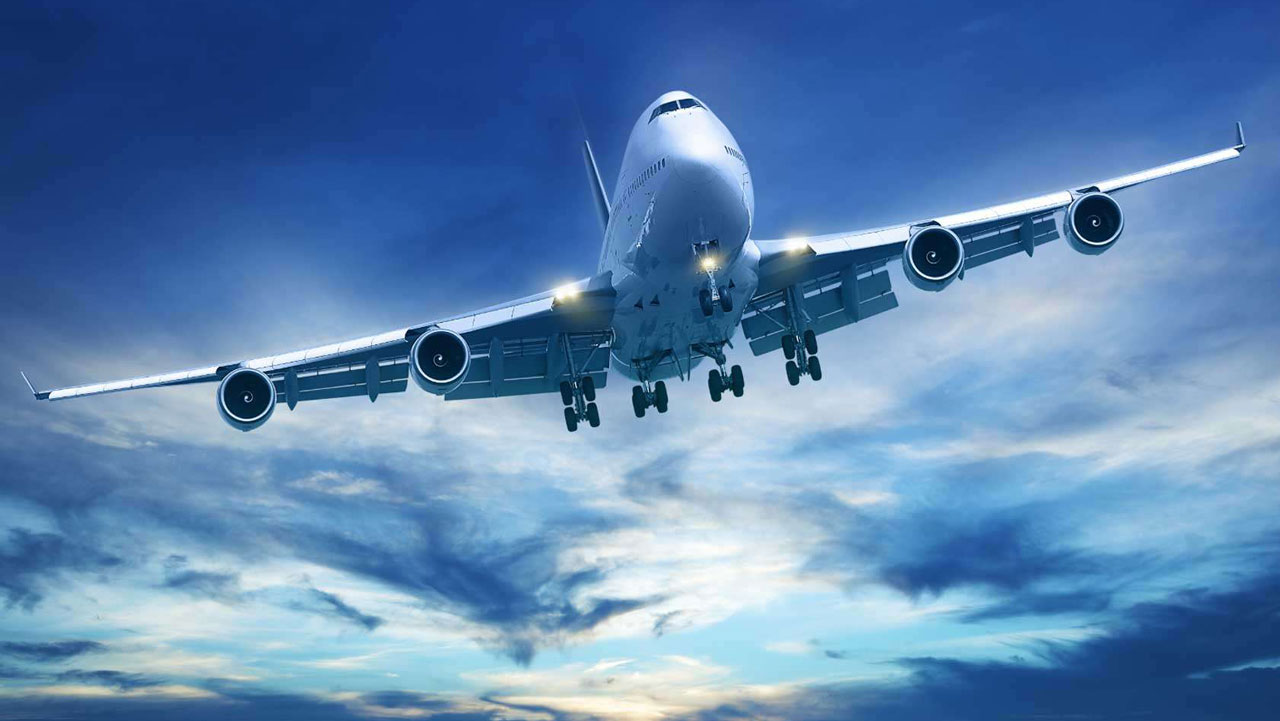
The 747 was considered to be something very special when it first flew commercially in 1970, covering long distances with ease and its spiral staircase and upper deck made it stand out from the crowd, just like the A380’s double-decker profile. Its more than 50-year production run, which ended in 2023, represents a remarkable act of longevity, especially as around a quarter of 747s still operate, although mostly as cargo planes. A handful of airlines and other clients, notably the US President, still use the jumbo as a passenger plane, however.
It is 50 years, meanwhile, since CONCORDE entered service, with simultaneous supersonic flights taking off from Paris and London in January 1976.
The Heathrow flight headed for Manama, while the jet that took off from Charles de Gaulle set off for Rio de Janeiro via a stop in Dakar. Both inaugural flights – one to Senegal, the other to Bahrain – took little more than three hours. The grand plans of the Anglo-French consortium that developed Concorde stayed on the ground, however. Only 14 planes were used for passenger services and Concorde flights ended in 2003. The plane’s lifespan was clipped by poor sales, the loss of Air France flight 4590 in 2000 and by the sharp downturn in transatlantic traffic that the September 11 attacks on the US brought about.
The A380 is likely to outperform Concorde’s lifespan by a few years, but both and the 747 are standard bearers for their era in terms of what they represented and delivered to passengers. All three have been outstripped by advances in fuel technology and their expensive maintenance regimens, rather than any form of widespread customer dissatisfaction.
Those hoping for a last-minute reprieve for the A380 do not have many causes for optimism. Smaller carriers are the traditional market for second-hand planes, but it is unlikely they would be in the market for superjumbos. The Airbus flagship is not an easy or inexpensive fit for cargo conversion either, meaning planes withdrawn from service are most likely to be used for parts or scrapped.
So, it seems certain the superjumbo will be put out to pasture. The A380 has had one reprieve already, of course. In 2020, months after the onset of the pandemic had completely disrupted international travel, less than 5 per cent of A380s were active. The rest were parked up before their post-Covid-19 return to the skies.
Just as it was in 2020, the world will be a smaller place without what one of those hundreds of social media comments called “the greatest flying machine” in the world.
They may well be right, and we may never see their likes again. Catch the A380 while you can.