For more than six decades, Lagos has consistently emerged as the commercial nerve centre of Nigeria, with its population, commerce and human resources.
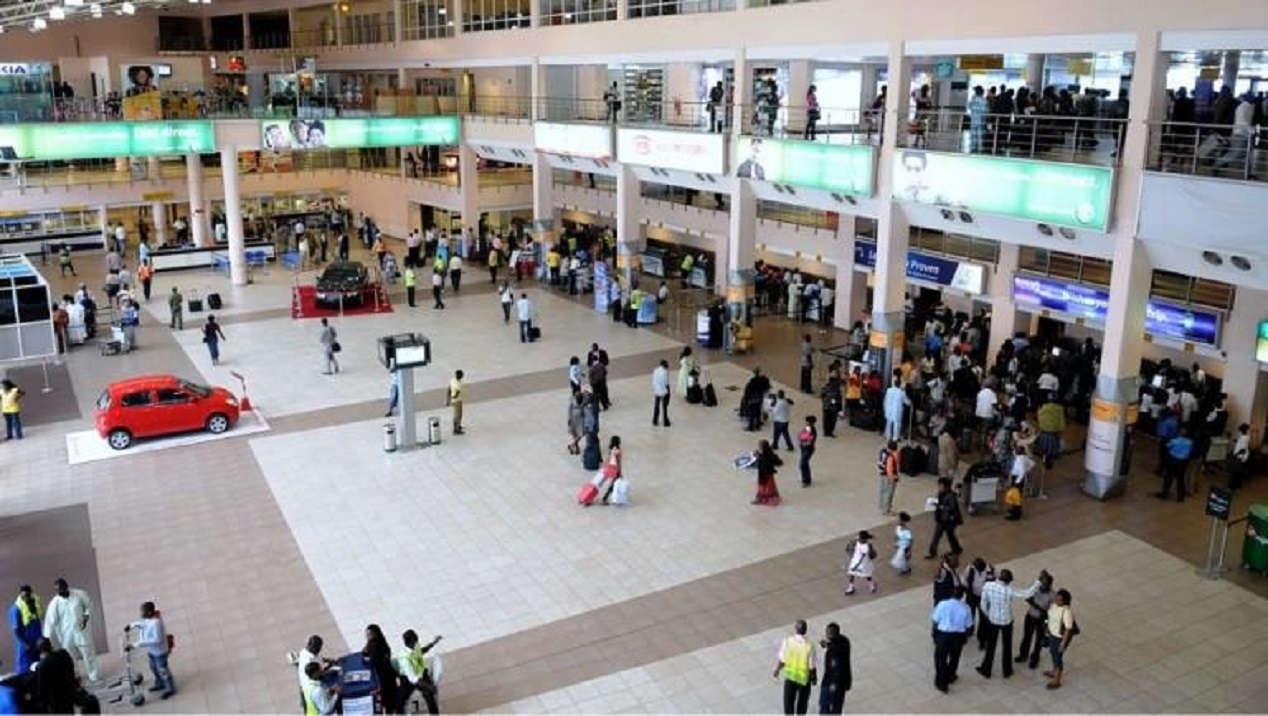
However, despite its economic profile and status as West Africa’s busiest aviation hub, the state has long relied on just one airport, Murtala Muhammed Airport (MMA), which is responsible for over 40 per cent of the total yearly air passenger traffic, according to the Annual Traffic Summary 2024 of the Nigeria Civil Aviation Authority (NCAA).
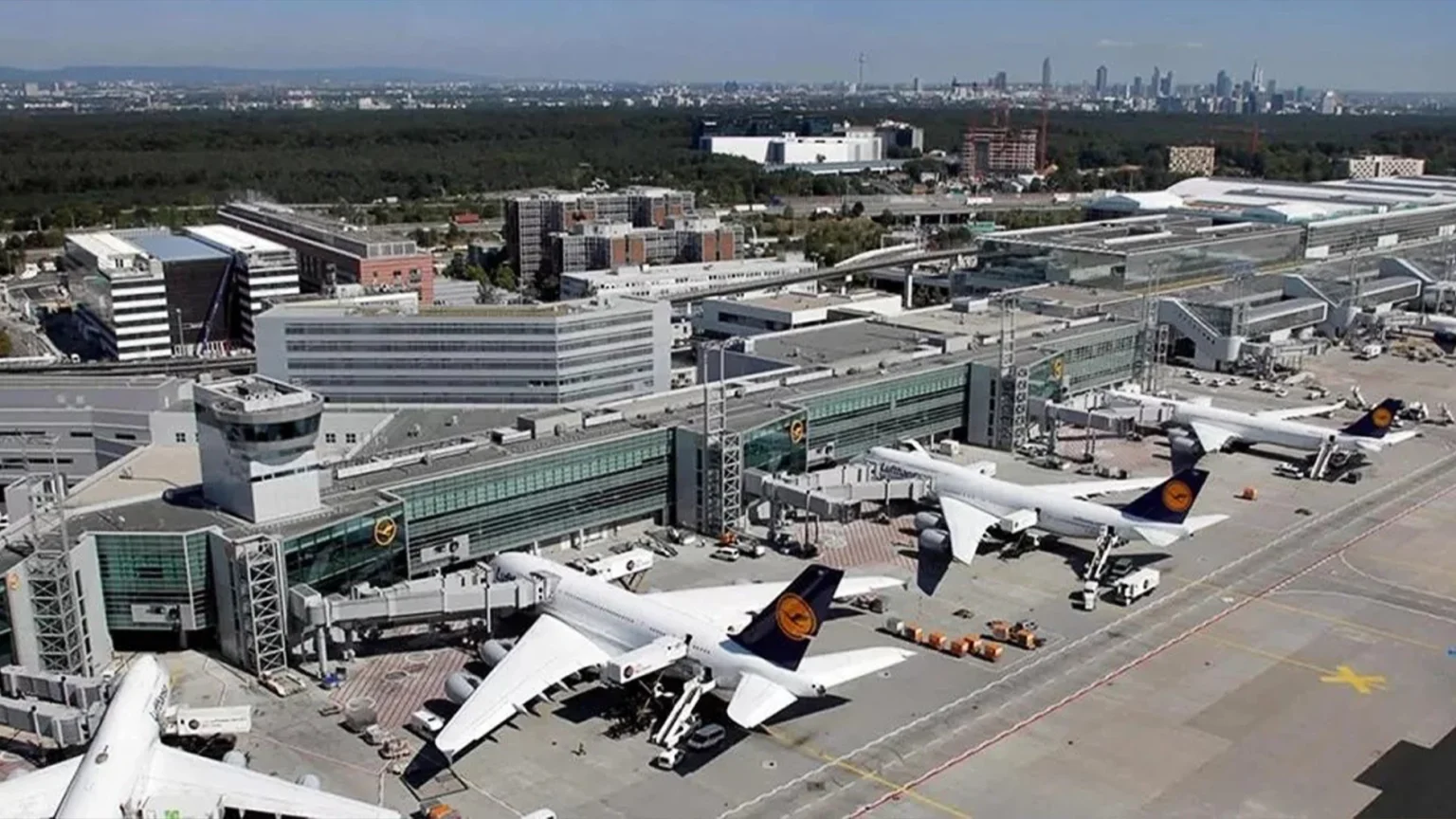
With an estimated 17 million people, Lagos operates just one airport. But London, with about half of Lagos’ population, for instance, has six major airports.
The Lagos State Government, like every other state, would have wanted to construct and own an airport to boost traffic movement and create an alternative for the travelling public. Still, the government was slowed by legal tussles between the Federal Government and Bi-Courtney Aviation Services Limited (BASL), the operator of Murtala Muhammed Airport Two (MMA2), over the construction of the terminal, which was launched on May 7, 2007.
The state government, in 2009, barely two years after the commencement of MMA2 operations by the BASL, mooted the idea of a Lekki-Epe International Airport under a public-private partnership (PPP) scheme on 3,500 hectares of land.
As of 2011, as part of the competitive tender process for the construction of the airport, the government, through its consultants, advertised a request for pre-qualification (RFPQ) and 33 Nigerian and international firms indicated interest to participate in the ambitious project.
Some of the 20 Nigerian firms that were provided with the RFPQ included NAHCO Aviance, Julius Berger Nigeria Plc, Arab Contractors Nigeria Limited and Cappa ’Alberto Plc, while the 13 international firms included Munich Airport Germany, Hyundai Engineering and Construction Co Limited (Korea), Canadian Commercial Corporation, Orascom Construction Industries.
Also, in 2025, the Governor of Lagos State, Babajide Sanwo-Olu, told the media that the State Government had signed a Memorandum of Understanding (MoU) with Summa Group, a Russian firm, for the development and construction of the airport.
Sanwo-Olu described the project as a transformative initiative aimed at improving connectivity in Lagos, boosting economic growth, and attracting global investments.
He emphasised that the Lekki-Epe International Airport would enhance travel and create new opportunities for businesses and residents across the state.
Since the signing of the MoU, the project has been in abeyance for various reasons, including the agreement between the Federal Government and BASL, which negates the construction of another airport in the state throughout the duration of the concession period.
But with last week’s resolution of the protracted dispute between the Federal Government and BASL over the MMA2 concession and two other agreements (four-star hotel and conference centre), the pathway has been cleared for the long-conceived Lekki-Epe International Airport project to take a proper shape.
The Minister of Aviation and Aerospace Development, Festus Keyamo, in a press briefing in Abuja last week, revealed that the numerous obstacles inhibiting the smooth sailing of the concession agreement had been resolved.
Part of the agreement, according to him, is the relinquishing of the exclusivity clause tied to the MMA2 concession, which stopped the construction of another airport in the state until the expiration of the ongoing 36-year concession agreement with the Federal Government.
He added: “This strategic move ensures that the Federal Government begins to earn immediate revenue from the revitalised arrangement. The agreement unlocks the full commercial and operational potential of MMA2, positioning it as a central hub for regional aviation.
“It also clears longstanding encumbrances that have hindered broader infrastructure development, including the proposed Lekki International Airport project.”
This announcement is seen as a step in the right direction by aviation experts. They said that the Lekki-Epe Airport represents a strategic economic pivot that could redefine Lagos’ aviation landscape, unlock billions in investments and reshape Nigeria’s connectivity to global markets.
Experts said that the current facilities at the Lagos airport are overstretched, adding that apart from upgrades, there was a need for a new airport in the state.
An aviation consultant Adebayo Adesanya, said the construction of the airport was a good development and a game-changer for the state.
He explained that the new airport would enhance connectivity to the proposed coastal road, the Lekki-Victoria Island and Eko Atlantic, which is presently the hub of activities for residential and commercial companies.
Adesanya further expressed that the airport was a bold statement by the Lagos State Government to put intermodal transportation infrastructure in the emerging industrial axis from the Lekki-Epe axis.
He pointed out that the new airport would act as an economic driver for Lagos, maintaining that an additional airport in the state would not affect the revenue generation of the Federal Airports Authority of Nigeria (FAAN) but rather would propel it to increase its service delivery.
He said: “The population of Lagos is big enough to service two airports. It will be to the interest of the people, investors and Nigerians as a whole.
“The coming up of another airport will not affect the revenue generation of FAAN. The focus should be on better service delivery in a competitive environment for earned revenue. In the case of Lagos, a reliever airport is overdue.
“With the emerging commercial and industrial activities in the Lekki axis, the airport will be a vital outlet not only for commercial and cargo flights, but for flight training, military, search and res¬cue operations, and corporate and recreational flying.”
Besides, the Director, Research, Zenith Travel Ltd, Mr. Olumide Ohunayo, said Lagos needed an additional airport to accelerate growth in the state.
He doubted if the proposed airport would operate international flights, maintaining that Lagos State Government required complementary airports to improve traffic into the state that would be beneficial to all airlines, travellers and the economy of the state, provided the airports have some level of costs and service efficiency.
Ohunayo also explained that the Lekki EPE AIRPORT would peak at the low-cost carriers and passengers to the Island, adding that international and scheduled flights would still retain the MMA.
“Quality services and cost are the things that will determine what happens to any airport and for any airport to be used by airlines. Luckily, the Lagos State Government is also tying an airline to that airport, which would be owned by the State Government.
“I look forward to it and I don’t see any threat to FAAN, but FAAN should up its game and ensure that they get more revenue for its services from the airports under their domain,” he said.
Ohunayo, however, proposed that a reputable airport company manage the facility on behalf of the State Government, rather than a full concession.
Aviation analyst, Chris Amokwu, said that the resolution between the Federal Government and BASL, removed a major psychological and policy barrier for the state.
According to him, the resolution signaled that the era of disputes holding back infrastructure development was over, adding that the Lekki-Epe Airport could now proceed without ambiguity.
Amokwu stated that the airport is strategically located near the Lekki Free Trade Zone, the Dangote Refinery, and major industrial clusters, and is expected to serve as a
critical logistics and passenger hub for businesses operating in the axis.
He estimated that over 50 per cent of frequent air travellers in Lagos reside or conduct business within the Victoria Island–Lekki corridor, a reality he noted necessitated the urgency of a second airport.
By redistributing passenger traffic and creating an alternative aviation gateway, the Lekki-Epe Airport will not only decongest the existing Lagos airport but also improve operational efficiency across the ecosystem.